BabyTree

News

  • What to Eat in Winter?

    Winter is ideal for the following foods:

    • Meats: Lamb is warm in nature, rich in high-quality protein, vitamins, and minerals. It boosts blood circulation and strengthens the body—Lamb Soup with Angelica, Ginger, and Scallions is a classic winter nourishing recipe. Additionally, eggs, milk, fish, shrimp, chicken, duck, and goose are great choices. They provide abundant protein to enhance the body’s cold resistance.

    • Vegetables: Spinach is high in vitamin K and beta-carotene, beneficial for bone health and cardiovascular protection. However, it contains high oxalic acid and needs to be blanched in advance. Broccoli is rich in isothiocyanates and folic acid, which help prevent cancer and cardiovascular diseases. Shiitake mushrooms are packed with lentinan and vitamin D, regulating immunity and promoting calcium absorption. Carrots are high in beta-carotene, supporting respiratory health. Cole (Chinese cabbage) is high in calcium and low in calories, suitable for winter consumption.

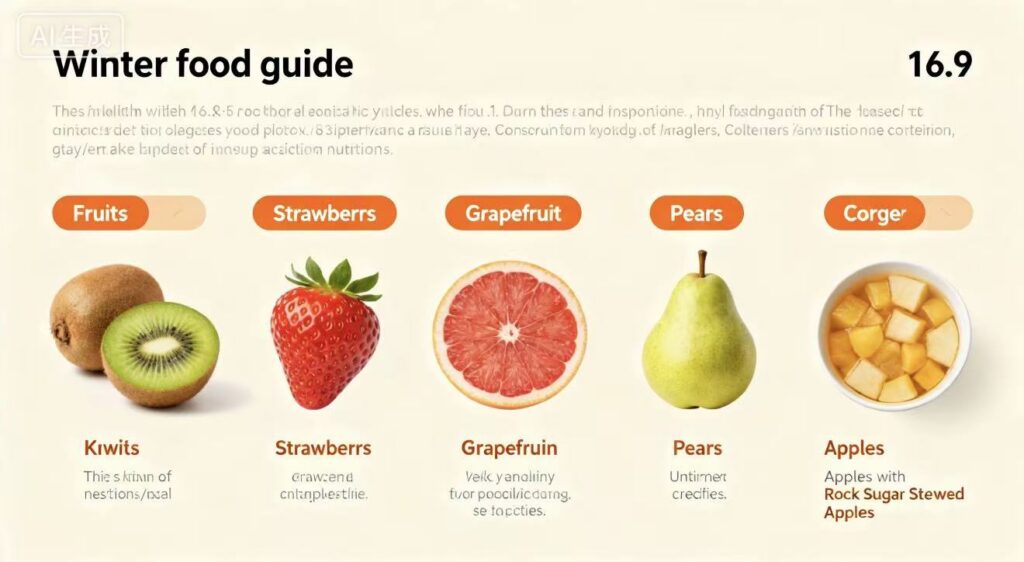
    • Fruits: Kiwi fruit is abundant in vitamin C and also contains lutein, which promotes collagen synthesis and boosts immunity. Strawberries are in-season winter fruits, low in calories, and high in vitamin C and folic acid, with antioxidant effects. Grapefruit is low in sugar and has a slow glycemic index, ideal for winter. Pears are rich in dietary fiber, aiding bowel movements—great for people prone to constipation. Apples are high in antioxidants like polyphenols, have a moderate glycemic index, and can be eaten roasted or cooked into Rock Sugar Stewed Apples.
    • Soups & Congees: Nourishing soups are perfect for winter, such as Chicken Soup with Codonopsis and Astragalus, Duck Soup with Cordyceps, and Beef Brisket Soup with Tomatoes. These soups use chicken, duck, fish, or meat as the main ingredient, supplemented with warm ingredients like Chinese yam and wolfberries, offering rich nutrition. Congees like sweet potato congee are easy to digest and aid bowel movements; coix seed and sweet potato congee strengthens the spleen and stomach while lowering blood lipids; Chinese cabbage and fungus congee moistens the lungs, promotes fluid production, and nourishes the stomach.

    • Other Foods: Red dates contain active ingredients like cyclic adenosine monophosphate (cAMP), enhancing immunity. Cooked with longans and wolfberries into congee, they nourish qi and blood. Black sesame is rich in vitamin E and unsaturated fatty acids, nourishing the liver and kidneys—it can be ground and mixed with walnut powder for consumption. Chestnuts warm and tonify the spleen and kidneys, providing excellent nourishment when eaten in moderation.
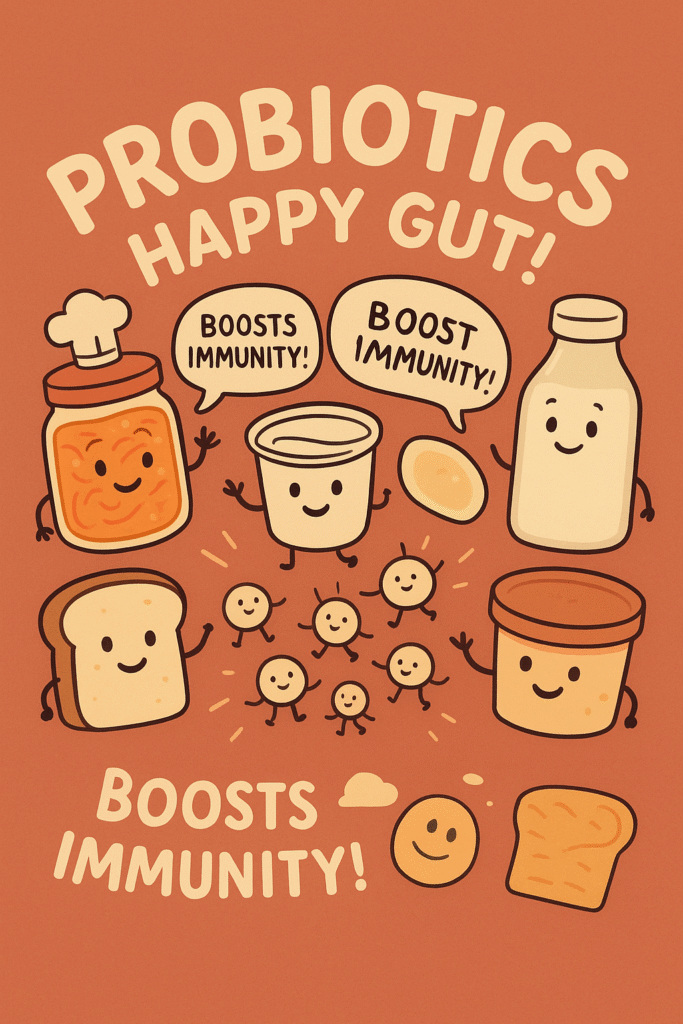
  • Fermented Foods: The Gut-Loving Superstars You Need to Add to Your Diet 🍶

    Fermented foods have been part of traditional diets for thousands of years—think kimchi from Korea, sauerkraut from Germany, and miso from Japan. But today, they’re making a comeback as science reveals just how powerful they are for your gut and overall health. The secret? They’re packed with probiotics—live, good bacteria that support your gut microbiome.​

    What makes fermented foods so special? Let’s break down their benefits:​

    • Balances Your Gut Microbiome: Your gut is home to trillions of bacteria (both good and bad). Probiotics from fermented foods help tip the scale toward good bacteria, which reduces inflammation, improves digestion, and even boosts your mood (thanks to the gut-brain connection!).​
    • Enhances Nutrient Absorption: Fermentation breaks down nutrients in food, making them easier for your body to absorb. For example, fermented soy (like tempeh or miso) makes iron and protein more bioavailable than unfermented soy.​
    • Boosts Immunity: Up to 70% of your immune system lives in your gut! A healthy gut microbiome (fueled by probiotics) helps your body fight off infections and illnesses—from colds to more serious conditions.​
    • Supports Heart Health: Some fermented foods (like kefir and kimchi) contain compounds that lower blood pressure and reduce “bad” LDL cholesterol. Studies show regular fermented food intake is linked to a lower risk of heart disease.​

    Not sure where to start? Here are easy-to-find fermented foods and how to enjoy them:​

    • Yogurt: Choose plain, unsweetened yogurt with “live and active cultures” (look for this on the label). Top it with berries and a sprinkle of granola for breakfast or a snack.​
    • Kimchi: Add a scoop to stir-fries, rice bowls, or even scrambled eggs for a spicy, tangy kick. It’s packed with fiber and vitamin C, too!​
    • Kefir: A creamy, drinkable fermented milk (similar to yogurt but with more probiotic strains). Blend it into smoothies, or drink it plain with a dash of honey.​
    • Sourdough Bread: Swap regular white bread for sourdough—it’s easier to digest (fermentation breaks down gluten) and has a rich, tangy flavor. Use it for sandwiches or toast.​
    • Miso: Stir 1-2 teaspoons of miso paste into hot water (not boiling!) for a quick miso soup. You can also add it to marinades for fish or tofu.​

    💡 Pro Tip: Look for fermented foods with no added sugar, salt, or preservatives. For example, avoid flavored yogurts (they’re loaded with sugar) and choose naturally fermented sauerkraut (not the kind in vinegar). Start small—try 1-2 servings a day (e.g., ½ cup yogurt or 2 tablespoons kimchi) to let your gut adjust.

  • The Power of Dietary Fiber: Why It’s Non-Negotiable for Gut Health 🥦

    Dietary fiber is often called the “forgotten nutrient,” but it’s one of the most important components of a healthy diet—especially when it comes to your gut. Unlike other nutrients (like carbs or protein), fiber isn’t digested by your small intestine. Instead, it travels to your large intestine, where it works magic for your gut microbiome and overall health.​

    There are two main types of fiber, and both play unique roles:​

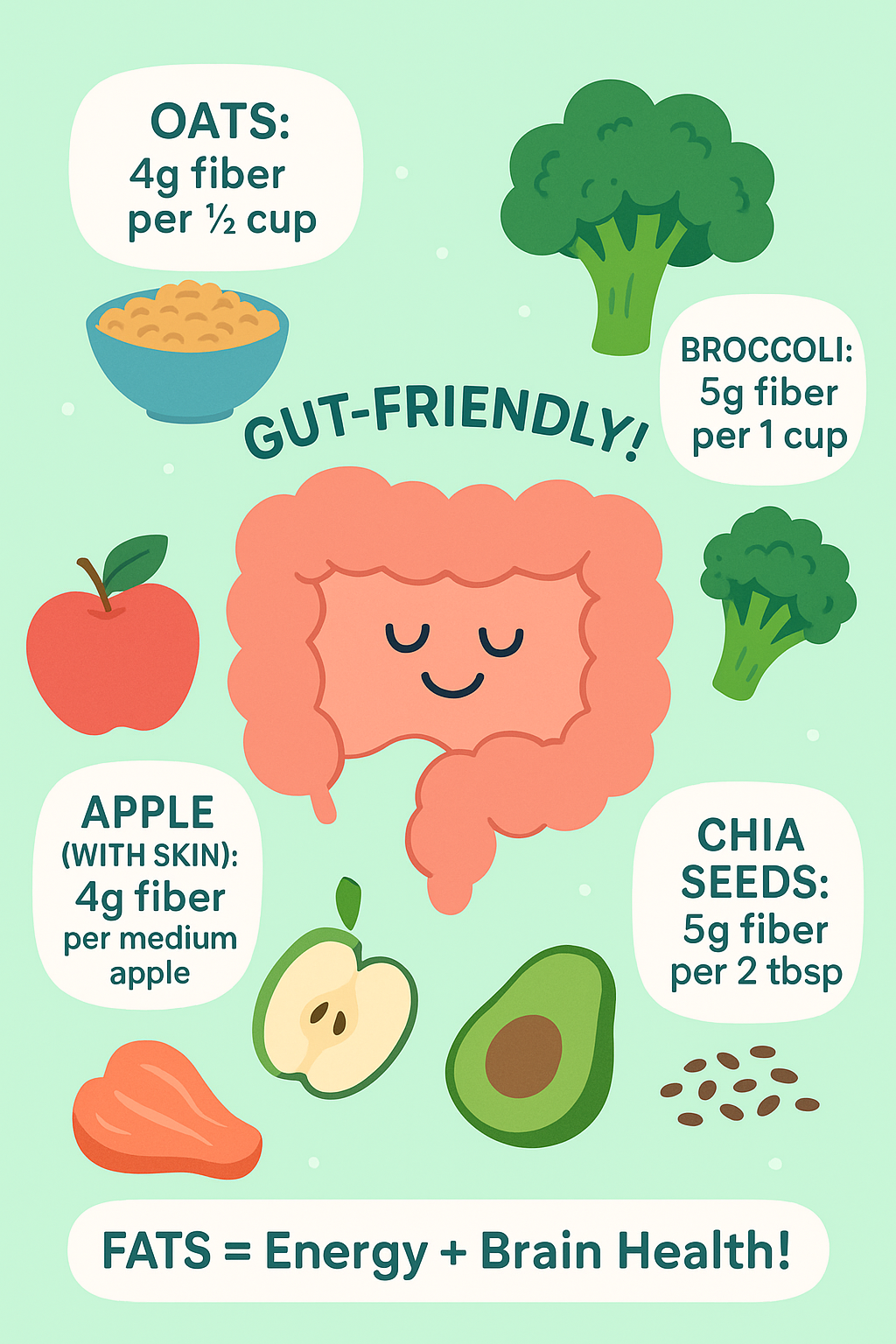
    • Soluble Fiber: Dissolves in water to form a gel-like substance. It helps lower cholesterol levels by binding to cholesterol in your gut and flushing it out. It also slows down sugar absorption, keeping your blood sugar stable. You’ll find it in oats, chia seeds, apples (with skin!), bananas, and legumes.​
    • Insoluble Fiber: Doesn’t dissolve in water—it adds bulk to your stool and speeds up waste movement through your intestines. This is key for preventing constipation and keeping your digestive system regular. Good sources include broccoli, whole wheat bread, leafy greens (spinach, kale), and nuts.​

    The benefits of fiber go way beyond digestion, too:​

    • Supports Gut Microbiome: Fiber acts as “food” for the good bacteria in your gut (called prebiotics). These bacteria ferment fiber to produce short-chain fatty acids (SCFAs), which reduce inflammation and support colon health.​
    • Aids Weight Management: High-fiber foods keep you full longer because they take time to chew and digest. Studies show people who eat more fiber tend to consume fewer calories overall.​
    • Lowers Disease Risk: Regular fiber intake is linked to a lower risk of type 2 diabetes, heart disease, and even certain types of colon cancer.​

    How much fiber do you need? The USDA recommends 25g per day for women and 38g per day for men (or 14g per 1,000 calories). Most people only get about half that—here’s how to boost your intake easily:​

    • Add a tablespoon of chia seeds to your morning yogurt or smoothie.​
    • Swap white bread for whole wheat and white rice for brown rice.​
    • Snack on a small handful of almonds (3g fiber per 1oz) or a pear (5g fiber) instead of chips.​
    • Add veggies like bell peppers or shredded carrots to every meal—even eggs or pasta!​

    💡 Pro Tip: If you’re new to eating more fiber, increase your intake slowly (add 2-3g per day) and drink more water. Sudden high fiber intake can cause bloating or gas—your gut needs time to adjust!

  • Healthy Fats 101: Stop Fearing Fat—Your Body Needs It! 🥑

    For years, fat was villainized as the main cause of weight gain and heart disease. But we now know that not all fats are created equal—in fact, healthy fats are essential for nearly every function in your body, from brain health to hormone production. The key is knowing which fats to choose (and which to skip).​

    Let’s break down the fat family:​

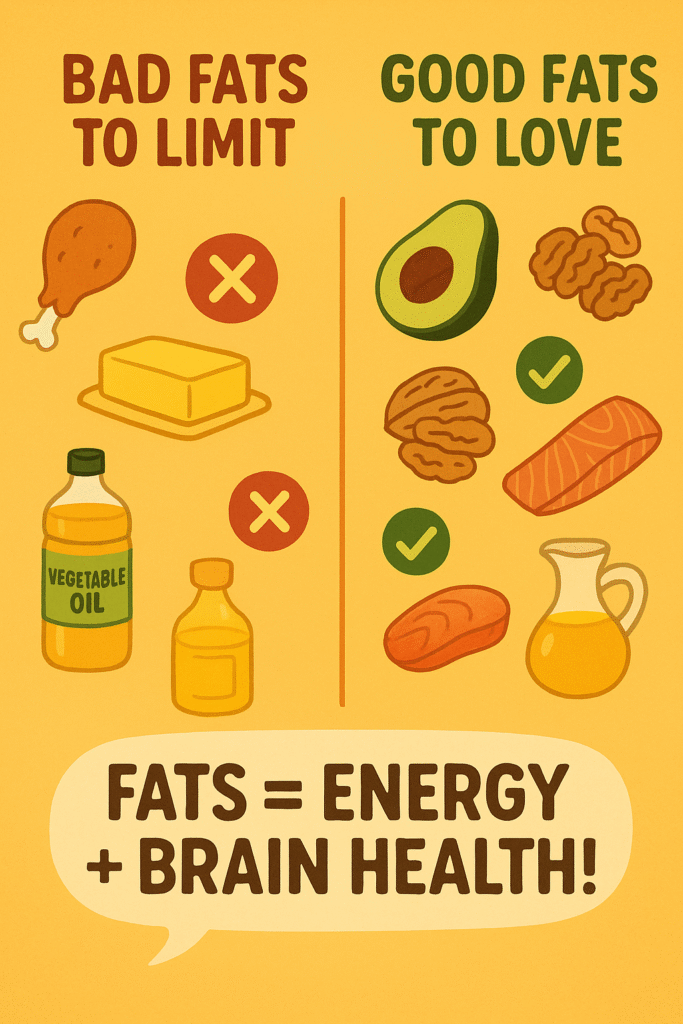
    • Unsaturated Fats (The “Good” Ones): These are the fats you want to fill your plate with. They’re liquid at room temperature and help lower “bad” LDL cholesterol while raising “good” HDL cholesterol.​
    • Monounsaturated Fats: Found in avocados, olive oil, almonds, and cashews. They support heart health and may reduce inflammation.​
    • Polyunsaturated Fats: Include omega-3 and omega-6 fatty acids—both essential (your body can’t make them on its own). Omega-3s (from salmon, mackerel, flaxseeds, and walnuts) are critical for brain function and reducing joint pain. Omega-6s (from sunflower seeds and tofu) help with skin health—just balance them with omega-3s!​
    • Saturated Fats (Limit These): Solid at room temperature, these fats are found in animal products like butter, fatty meats (bacon, sausage), and full-fat dairy. Small amounts are okay, but too much can raise LDL cholesterol and increase heart disease risk. Aim for less than 10% of your daily calories from saturated fat.​
    • Trans Fats (Avoid Completely): These are artificial fats made by hydrogenating vegetable oil (to make it solid, like in margarine or fried foods). They’re linked to inflammation, high LDL cholesterol, and a higher risk of heart attacks. Check food labels—if it says “partially hydrogenated oil,” put it back!​

    Healthy fats aren’t just good for your body—they make food taste better, too! Here’s how to add more to your diet:​

    • Spread mashed avocado on toast instead of butter.​
    • Drizzle olive oil (not vegetable oil) on salads or roasted veggies.​
    • Eat a small handful of walnuts (1oz = 2.5g omega-3s) as a midday snack.​
    • Add a 4oz serving of salmon to your weekly meal plan—try baking it with lemon and herbs!​

    💡 Pro Tip: Fats are high in calories (9 calories per gram, vs. 4 for carbs/protein), so portion control matters. A quarter of an avocado or 1 tablespoon of olive oil is a perfect single serving.

  • Breakfast Myths Busted: Why Skipping It Hurts More Than You Think 🥞

    “Breakfast is the most important meal of the day” isn’t just a saying—it’s backed by science. Yet 1 in 4 adults skip breakfast regularly, citing “no time” or “trying to lose weight.” But skipping breakfast often backfires—and here’s why.​

    First, let’s bust the biggest breakfast myths:​

    • Myth 1: Skipping breakfast helps you lose weight.

    Fact: When you skip breakfast, you’re likely to feel ravenous by lunch (or even mid-morning), leading to overeating. Studies show people who skip breakfast consume more calories throughout the day—especially from unhealthy snacks like chips or candy.​

    • Myth 2: Coffee counts as breakfast.

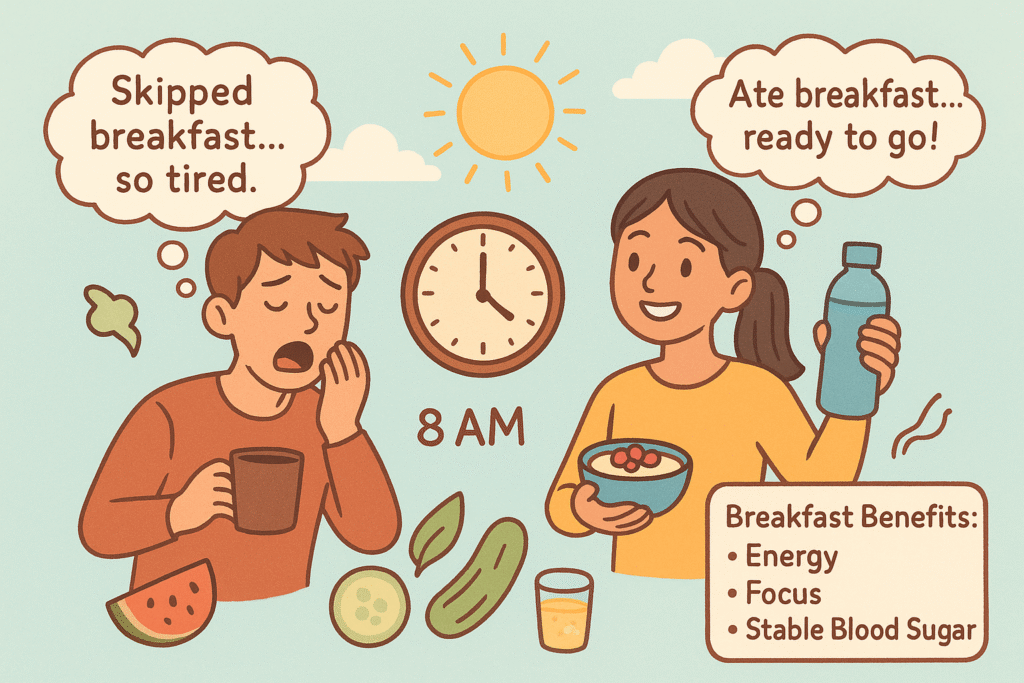
    Fact: Coffee (even with milk) has almost no protein, fiber, or nutrients. It might give you a short energy boost, but that crash will hit hard by 10 AM—leaving you tired and unfocused.​

    • Myth 3: I’m not hungry in the morning, so I don’t need to eat.

    Fact: Your body hasn’t eaten in 8-10 hours (while you slept!), so it’s running low on glucose (your brain’s main energy source). Even if you don’t feel hungry, a small breakfast (like a piece of fruit or a hard-boiled egg) will replenish glucose and kickstart your metabolism.​

    The real benefits of a healthy breakfast:​

    • Boosts Energy & Focus: Glucose from breakfast fuels your brain, helping you concentrate at work or school. One study found kids who eat breakfast have better test scores and adults have higher productivity.​
    • Stabilizes Blood Sugar: Eating protein (eggs, Greek yogurt) and fiber (oats, fruit) with breakfast prevents blood sugar spikes and crashes—no more 3 PM energy slumps!​
    • Supports Long-Term Health: Regular breakfast eaters are more likely to get enough vitamins (like vitamin C and iron) and have a lower risk of type 2 diabetes and heart disease.​

    No time for a big breakfast? Try these quick, healthy options (all under 5 minutes!):​

    • Greek yogurt (unsweetened) + ½ cup berries + 1 tsp honey.​
    • A hard-boiled egg + 1 slice of whole wheat toast + a handful of spinach.​
    • A smoothie: 1 banana + 1 cup spinach + ½ cup almond milk + 1 tbsp peanut butter (blend and go!).​

    💡 Pro Tip: Prep breakfast ahead! Overnight oats (oats + milk + chia seeds + fruit, refrigerated overnight) or boiled eggs can be grabbed on your way out the door—no excuses!

  • Hydration Hacks: How Dehydration Ruins Your Day (And How to Fix It) 💧

    Most people don’t drink enough water—and they don’t even realize it. Dehydration doesn’t just make you thirsty; it affects your energy, mood, and even your ability to think clearly. The worst part? You can be dehydrated without feeling “thirsty”—by the time that dry-mouth feeling hits, you’re already 1-2% dehydrated.​

    How does dehydration mess with your body? Let’s count the ways:​

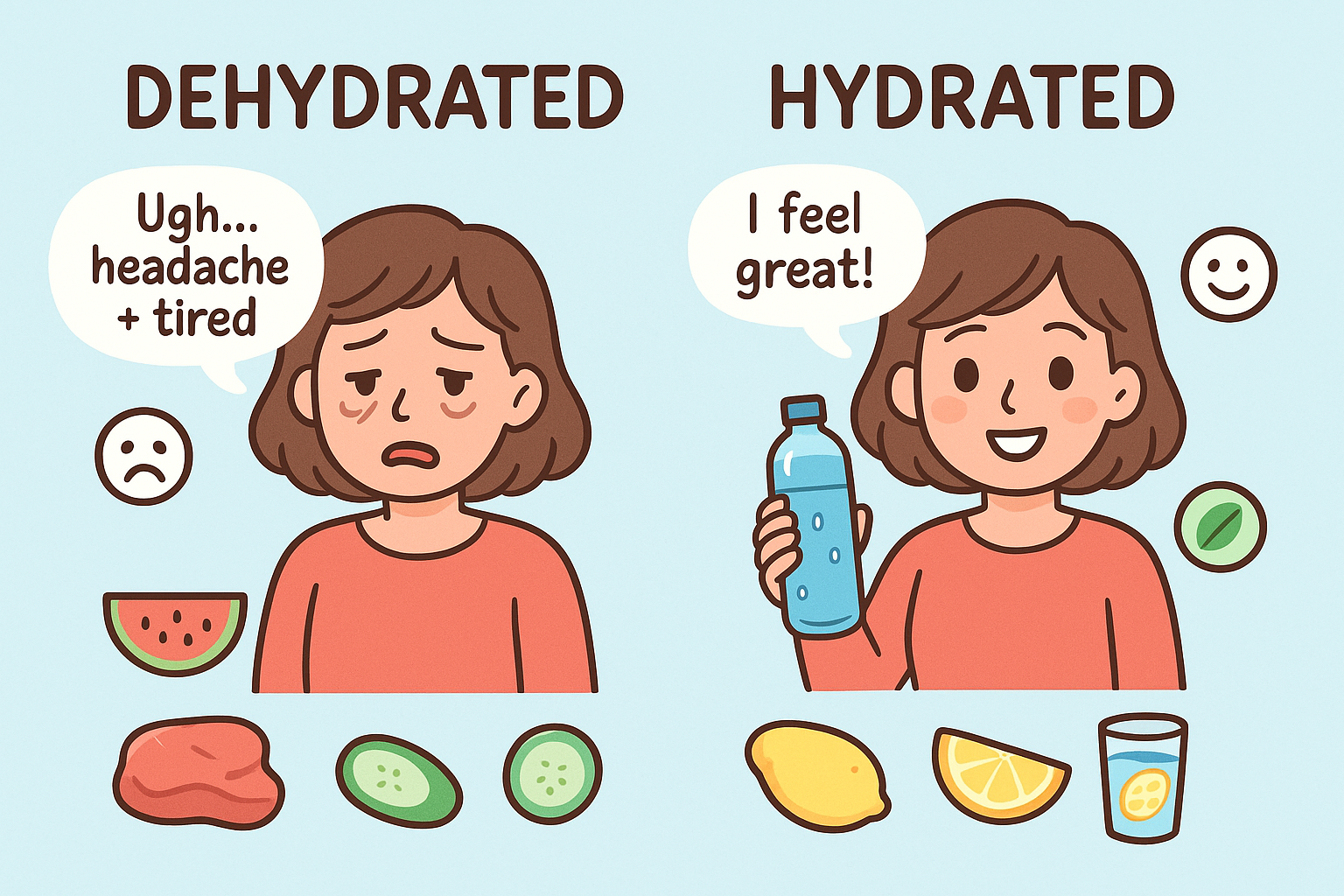
    • Low Energy: Water carries oxygen to your cells. When you’re dehydrated, your blood thickens, so less oxygen reaches your muscles and brain—leaving you tired and sluggish.​
    • Brain Fog: Your brain is 73% water! Even mild dehydration (1-2%) can reduce focus, slow reaction times, and make it harder to remember things. One study found dehydrated students scored 10% lower on memory tests.​
    • Headaches: Dehydration causes blood vessels in your brain to shrink, which can trigger tension headaches (or make existing ones worse). If you get frequent morning headaches, try drinking a glass of water first thing—you might be surprised!​
    • Digestive Issues: Water softens stool and helps it move through your intestines. Dehydration is one of the top causes of constipation.​

    So how much water do you need? The “8 glasses a day” rule is a good start, but it’s not one-size-fits-all. A better guide:​

    • Drink 1.5-2L of water per day (about 8 cups).​
    • Drink more if you exercise (add 500-750ml for every hour of activity), if it’s hot outside, or if you’re pregnant/breastfeeding.​
    • Check your urine: If it’s pale yellow, you’re hydrated. If it’s dark yellow, drink more water!​

    Hate plain water? Try these easy hydration hacks:​

    • Add flavor: Drop a slice of lemon, lime, cucumber, or a few berries into your water. No sugar, just fresh taste!​
    • Eat hydrating foods: Watermelon (92% water), cucumber (96% water), oranges (87% water), and celery (95% water) all count toward your daily intake.​
    • Set reminders: Use your phone’s alarm or a water-tracking app to remind you to drink every hour. Keep a water bottle on your desk or in your bag—out of sight, out of mind!​
    • Swap sugary drinks: Instead of soda or sweetened iced tea, try sparkling water with a splash of fruit juice (100% juice, no added sugar).​

    💡 Pro Tip: Drink water first thing in the morning! You lose water while you sleep (via breathing and sweat), so a glass of water when you wake up rehydrates your body and kickstarts your day.

  • Mindful Eating: How to Stop Overeating and Enjoy Food More 🍴

    In a world of busy schedules and endless distractions (phones, TV, work emails), most of us eat on autopilot. We scarf down lunch at our desks, snack while scrolling TikTok, and finish a whole bag of chips without even realizing it. This is “mindless eating”—and it’s a major cause of overeating, weight gain, and even dissatisfaction with food.​

    Mindful eating is the opposite: it’s about paying attention to your food, your body’s hunger cues, and the pleasure of eating. It’s not a diet—it’s a way of eating that helps you build a healthier relationship with food.​

    Here’s how to practice mindful eating, step by step:​

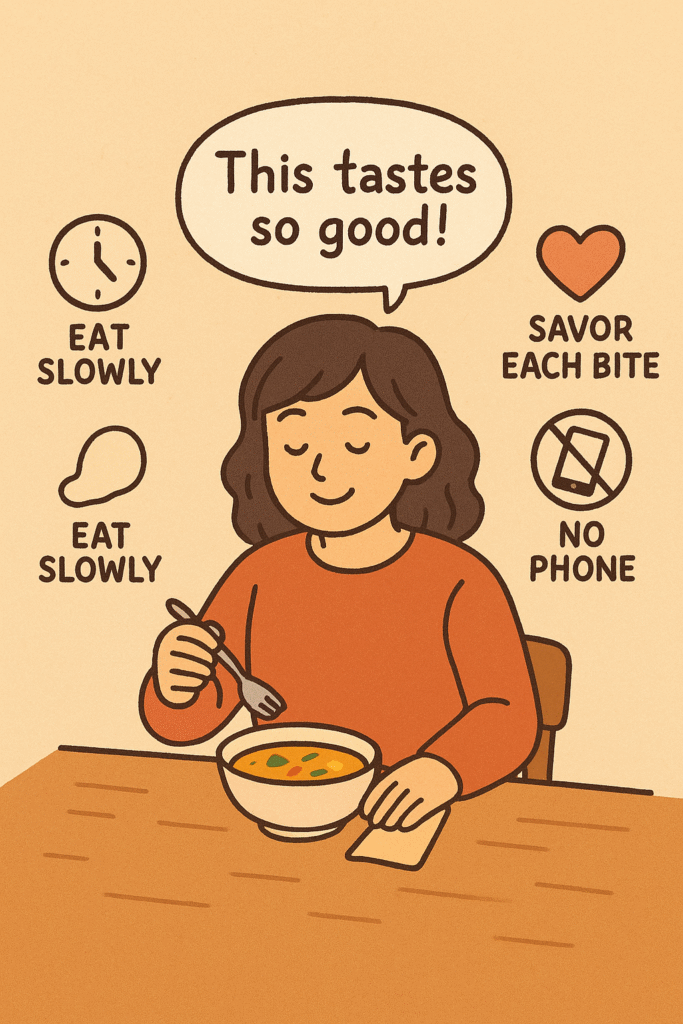
    1. Eat Without Distractions: Turn off the TV, put away your phone, and step away from your computer. When you’re distracted, your brain doesn’t register when you’re full—you’ll eat more than you need.​
    1. Chew Slowly: It takes about 20 minutes for your brain to get the signal that your stomach is full. Chew each bite 10-15 times (yes, really!). This also helps you taste and enjoy your food more—you’ll notice flavors you missed before.​
    1. Listen to Your Hunger Cues: Eat when you’re “moderately hungry” (not ravenous) and stop when you’re “satisfied” (not stuffed). Ask yourself: “Am I eating because I’m hungry, or because I’m bored/stressed?”​
    1. Savor Each Bite: Notice the texture, smell, and taste of your food. Is it crunchy? Creamy? Sweet? Salty? Taking a moment to appreciate your food makes eating more enjoyable—and helps you feel more satisfied with less.​

    Mindful eating has big benefits:​

    • Prevents Overeating: By paying attention to fullness cues, you’ll eat fewer calories without feeling deprived.​
    • Reduces Stress Eating: Many people eat to cope with stress or boredom. Mindful eating helps you separate emotional hunger from physical hunger.​
    • Improves Digestion: Chewing slowly breaks down food better, making it easier for your body to digest. It also reduces bloating and indigestion.​

    Start small—you don’t have to practice mindful eating at every meal. Try it once a day (like dinner) and build from there. Here’s a simple exercise to get started:​

    • Take a small piece of food (like a strawberry or a square of dark chocolate).​
    • Look at it: Notice its color and shape.​
    • Smell it: Breathe in the aroma.​
    • Take a small bite: Chew slowly, focusing on the taste and texture.​
    • Swallow and notice how it feels in your mouth and stomach.​

    💡 Pro Tip: If you’re short on time, try the “2-minute rule”: For the first 2 minutes of your meal, eat slowly and without distractions. It’s a quick way to build the habit!

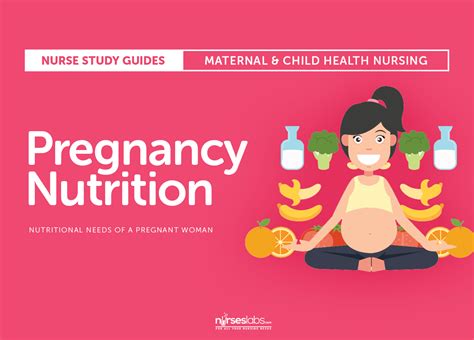
  • Pregnant Women’s Health: A Comprehensive Guide for 2025

    Pregnant woman health illustration showing balanced nutrition, gentle exercise and prenatal monitoring

    Pregnant woman health illustration showing balanced nutrition, gentle exercise and prenatal monitoring

    1. Why Early and Adequate Prenatal Care Matters

    • Timely prenatal visits reduce maternal‑fetal complications and improve birth outcomes.
    • The “Early and Adequate Prenatal Care” (EAPC) rates have risen across age groups, but teenage mothers still lag behind.

    2. Core Components of Modern Prenatal Care

    ComponentCurrent Best PracticesKey Evidence
    Medical Screening• First‑trimester blood work (CBC, blood type, infectious disease panel).
    • Second‑trimester anatomy scan and glucose tolerance test.
    • Third‑trimester anemia and group‑B‑Strep screening.
    HEDIS‑based quality measures emphasize timeliness of these screens.
    Nutrition & Supplements• Daily prenatal vitamin with 400 µg folic acid.
    • Emphasis on whole grains, lean protein, dairy, fruits, and vegetables; limit processed foods and excess caffeine.
    • Avoid toxins such as lead, mercury, and certain pesticides.
    Physical Activity• 150 min moderate‑intensity aerobic activity per week (e.g., brisk walking, swimming).
    • Pelvic floor exercises to reduce postpartum incontinence.
    Mayo Clinic recommends safe, regular exercise throughout pregnancy.
    Mental Health• Routine depression and anxiety screening (e.g., PHQ‑9) at each trimester.
    • Access to counseling or tele‑mental‑health services.
    Preventive care guidelines list mental‑health counseling as a core prenatal component.
    Infection Prevention• Syphilis rapid testing in first and third trimesters; immediate penicillin treatment if positive.
    • Vaccinations (influenza, Tdap) per CDC schedule.
    Partner Involvement• Encourage fathers/partners to attend at least one prenatal visit; improves maternal emotional support and birth outcomes.
    Telehealth & Remote Monitoring• Home‑based fetal heart‑rate monitoring and virtual visits reduce clinic visits without compromising safety.

    3. Nutrition Spotlight

    • Key nutrients: folate, iron, calcium, DHA, and vitamin D.
    • Practical tips:
      1. Start the day with fortified whole‑grain cereal + low‑fat milk.
      2. Snack on nuts, fresh fruit, or yogurt.
      3. Include a serving of oily fish (e.g., salmon) twice a week for DHA.

    4. Safe Exercise Guidelines

    ActivityFrequencyPrecautions
    Walking / Light jogging30 min, 5 days/weekWear supportive shoes; avoid overheating.
    Prenatal yoga2–3 sessions/weekChoose classes led by certified prenatal instructors.
    Swimming2 sessions/weekGood for joint relief; ensure pool water is chlorinated.
    Strength training (light weights)2 sessions/weekAvoid heavy lifting and Valsalva maneuver.

    5. Managing Common Pregnancy Concerns

    • Gestational Diabetes: Screen at 24‑28 weeks; diet‑first management, metformin if needed.
    • Hypertension: Monitor blood pressure each visit; low‑salt diet and appropriate antihypertensives (e.g., labetalol).
    • Back Pain: Use lumbar support, proper posture, and gentle stretching.

    6. The Role of Technology

    • Smart Wearables: Track activity, sleep, and heart rate; data can be shared with providers.
    • Electronic Health Records (EHR): Enable seamless referral to nutritionists, physiotherapists, and mental‑health counselors.
    • AI‑Driven Risk Stratification: Predicts pre‑eclampsia and preterm birth, prompting early interventions.

    7. Practical Checklist for Expectant Mothers

    1. Schedule first prenatal visit by 8 weeks gestation.
    2. Start prenatal vitamins with folic acid.
    3. Set up a nutrition plan with a dietitian if possible.
    4. Choose a safe exercise routine and log weekly activity.
    5. Arrange partner’s participation in at least one appointment.
    6. Enroll in telehealth platform for remote monitoring.
    7. Complete mental‑health screening each trimester.
    8. Stay up‑to‑date on vaccinations (flu, Tdap).
    9. Plan for birth: discuss delivery options, pain management, and postpartum support.

    Bottom line – 2025’s prenatal care blends evidence‑based medical screening, balanced nutrition, regular safe exercise, mental‑health support, and modern technology. By following the outlined checklist and leveraging partner involvement, pregnant women can optimize both their own health and that of their babies.

  • Modern Parenting in 2025 – Balancing Technology, Sustainability, and Well‑Being

    1. The New Landscape of Parenting

    • Tech‑infused everyday life – AI‑driven monitors, smart feeding bottles and connected cribs have moved from novelty to necessity, creating an “ecosystem” that anticipates a child’s needs rather than merely reacting to them.
    • Sustainability as a core value – Parents now prioritize eco‑friendly toys, biodegradable diapers and recycled‑material clothing, reflecting a broader societal shift toward greener consumption.
    • Mental‑health awareness – Surveys show parental anxiety rises with age, peaking among older caregivers, underscoring the need for support networks and stress‑reduction resources.

    2. Key Trends Shaping Parenting Practices

    TrendWhat It Looks Like TodayWhy It Matters
    Smart Home NurseryIntegrated sensors track temperature, humidity and infant breathing; data syncs to a mobile app that alerts caregivers to potential issues.Early detection reduces SIDS risk and eases parental anxiety.
    AI‑Powered Learning ToysInteractive robots adapt to a child’s developmental stage, offering personalized language and math games.Supports cognitive growth while freeing parents from constant screen mediation.
    Sustainable Product ChoicesBrands launch toys made from reclaimed wood, organic cotton clothing and refillable formula packs.Lowers environmental footprint and teaches children eco‑responsibility early on.
    Holistic Family Wellness PlatformsApps combine nutrition tracking, sleep coaching and mental‑health check‑ins for both parents and kids.Addresses the whole‑family health loop, reducing burnout.
    Community‑Driven ParentingVirtual support groups, moderated forums and local “parent pods” enable shared experiences and resource pooling.Counteracts rising isolation, especially among older caregivers.

    3. Practical Tips for Parents

    1. Start Small with Tech – Choose one smart device (e.g., a baby monitor with AI analytics) and master its use before expanding the ecosystem.
    2. Prioritize Eco‑Friendly Purchases – Look for certifications such as “GOTS” (organic textiles) or “B Corp” for toys; these often guarantee safer materials and lower carbon impact.
    3. Schedule Regular Mental‑Health Check‑Ins – Use brief daily mood‑tracking tools; if anxiety scores rise, seek professional guidance or join a peer support group.
    4. Create Tech‑Free Zones – Designate meal times and bedtime as screen‑free to foster face‑to‑face interaction and improve sleep quality.
    5. Leverage Community Resources – Participate in local parenting workshops, library story hours or online webinars that focus on modern challenges (e.g., digital balance, sustainable living).

    4. Looking Ahead

    • AI Integration Will Deepen – By 2030, predictive analytics could suggest personalized developmental activities based on a child’s biometric data.
    • Circular Economy for Kids – Expect a rise in “toy‑as‑a‑service” models where parents lease high‑tech toys and return them for refurbishment, further reducing waste.
    • Policy Support – Governments are increasingly funding parental‑wellness programs and subsidizing eco‑friendly baby products, making sustainable choices more affordable.

    Bottom line: Parenting in 2025 is a dynamic blend of cutting‑edge technology, environmental stewardship and heightened mental‑health awareness. By embracing smart tools wisely, choosing sustainable products, and nurturing supportive communities, today’s caregivers can give their children a healthier, happier start while also protecting the planet for future generations.

  • A Holistic Guide to Maternal and Infant Health in 2025

    These services have shortened the average time to address postpartum depression from 6 weeks to under 2 weeks in participating health systems.

    Healthy mother cradling her newborn, emphasizing the bond and the importance of early care

    Healthy mother cradling her newborn, emphasizing the bond and the importance of early care

    1. Pre‑Pregnancy Foundations

    • Mood‑Tracking Journals with AI sentiment analysis provide daily mood scores and suggest mindfulness exercises or professional help.
    • Peer‑Support Communities integrated within the app allow mothers to share experiences, reducing feelings of isolation.- Nutrition – Daily prenatal multivitamins (folic acid, iron, calcium, DHA) reduce neural‑tube defects and support fetal brain development.
    • Health Screening – Baseline blood pressure, fasting glucose, and thyroid function tests identify hidden risks before conception.
      A 2024 meta‑analysis showed that app‑based interventions lowered EPDS scores by an average of 3.2 points compared with standard care.

    6. Safety & Preventive Care

    | Area | Tech‑Enabled Solution |

    • Digital Planning – Cycle‑tracking and lifestyle‑logging apps help women optimize weight, sleep, and stress levels ahead of pregnancy.

    2. Antenatal Care: The Digital‑Enabled Era

    |——|———————–|

    InnovationBenefitPractical Tip
    Safe SleepSmart bassinets monitor breathing and roll‑over events, sending alerts to a parent’s phone.
    Tele‑consultationsReduces travel burden while maintaining regular check‑ups.Vaccination Reminders
    Home Hazard DetectionIoT sensors detect open windows, hot surfaces, or water leaks, notifying caregivers instantly.

    7. Looking Ahead: The Future of Mother‑Baby Tech

    | Schedule a video visit for routine labs and symptom reviews. |
    Wearable monitors | Real‑time heart‑rate, oxygen, and blood‑pressure data flag early pre‑eclampsia or gestational diabetes. | Use FDA‑approved wristbands and sync data to your obstetrician’s portal. |
    Online education hubs | Free webinars on nutrition, safe exercise, and mental resilience.1. Closed‑Loop Hormone Regulation – Wearable patches that release oxytocin or prolactin in response to real‑time physiological cues.
    | Attend at least one live session per trimester. |

    3. Birth & Immediate Post‑Partum

    1. Digital Twins – Virtual models of the infant that simulate growth trajectories, helping clinicians personalize nutrition plans.
    2. Interoperable Data Standards – Nationwide frameworks that allow seamless sharing of maternal‑infant health data across hospitals, insurers, and home‑care platforms while preserving privacy.

    8. Practical Takeaway for Parents

    • Skin‑to‑Skin Contact within the first hour stabilizes newborn temperature, heart rate, and cortisol, while releasing oxytocin for both parent and infant.
    • Early Breastfeeding – Initiate latch within 1–2 hours; apply a warm compress before feeding and a cold pack afterward to manage engorgement.
    • Start simple: Choose one wearable (e.g., a sleep‑tracking band) and get comfortable with data interpretation.
    • Leverage AI tools: Use reputable lactation apps for latch feedback before seeking in‑person help.
    • Uterine Involution – Gentle abdominal massage for the first 10 days supports a return to pre‑pregnancy uterine size (average 6 weeks).

    4. Maternal Physical Recovery

    | Focus | Recommendation |

    • Stay connected: Schedule regular tele‑health visits and use mental‑health apps to monitor mood.
      |——-|—————-|

    By integrating these technologies thoughtfully, families can enjoy a safer, more informed, and emotionally supportive early parenting journey.

Translate »