BabyTree

Author: 张麻子

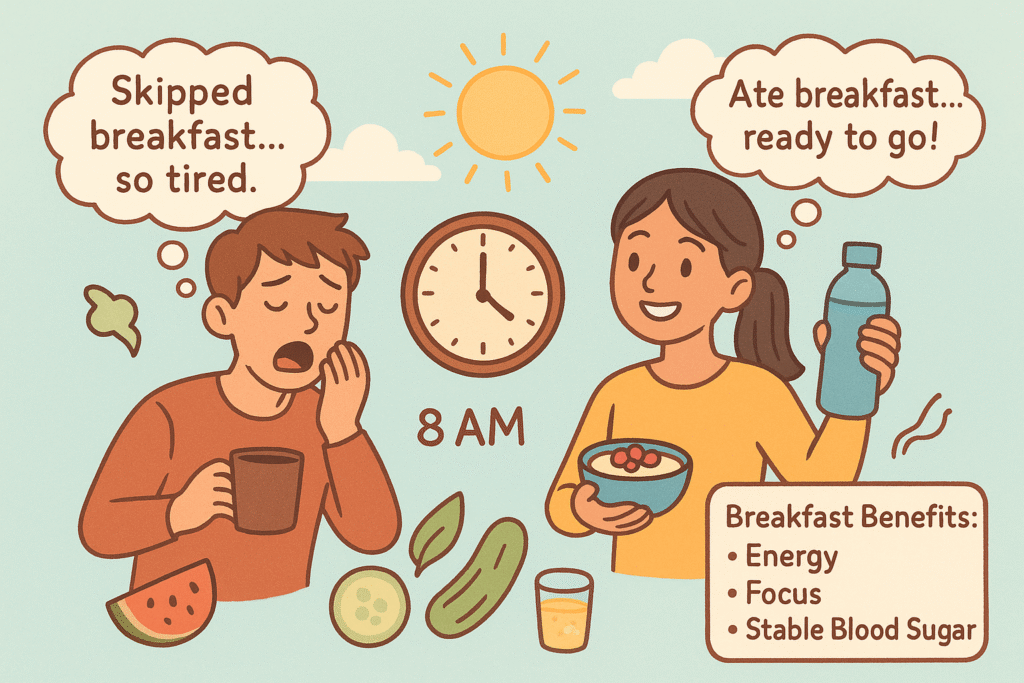
  • Breakfast Myths Busted: Why Skipping It Hurts More Than You Think 🥞

    “Breakfast is the most important meal of the day” isn’t just a saying—it’s backed by science. Yet 1 in 4 adults skip breakfast regularly, citing “no time” or “trying to lose weight.” But skipping breakfast often backfires—and here’s why.​

    First, let’s bust the biggest breakfast myths:​

    • Myth 1: Skipping breakfast helps you lose weight.

    Fact: When you skip breakfast, you’re likely to feel ravenous by lunch (or even mid-morning), leading to overeating. Studies show people who skip breakfast consume more calories throughout the day—especially from unhealthy snacks like chips or candy.​

    • Myth 2: Coffee counts as breakfast.

    Fact: Coffee (even with milk) has almost no protein, fiber, or nutrients. It might give you a short energy boost, but that crash will hit hard by 10 AM—leaving you tired and unfocused.​

    • Myth 3: I’m not hungry in the morning, so I don’t need to eat.

    Fact: Your body hasn’t eaten in 8-10 hours (while you slept!), so it’s running low on glucose (your brain’s main energy source). Even if you don’t feel hungry, a small breakfast (like a piece of fruit or a hard-boiled egg) will replenish glucose and kickstart your metabolism.​

    The real benefits of a healthy breakfast:​

    • Boosts Energy & Focus: Glucose from breakfast fuels your brain, helping you concentrate at work or school. One study found kids who eat breakfast have better test scores and adults have higher productivity.​
    • Stabilizes Blood Sugar: Eating protein (eggs, Greek yogurt) and fiber (oats, fruit) with breakfast prevents blood sugar spikes and crashes—no more 3 PM energy slumps!​
    • Supports Long-Term Health: Regular breakfast eaters are more likely to get enough vitamins (like vitamin C and iron) and have a lower risk of type 2 diabetes and heart disease.​

    No time for a big breakfast? Try these quick, healthy options (all under 5 minutes!):​

    • Greek yogurt (unsweetened) + ½ cup berries + 1 tsp honey.​
    • A hard-boiled egg + 1 slice of whole wheat toast + a handful of spinach.​
    • A smoothie: 1 banana + 1 cup spinach + ½ cup almond milk + 1 tbsp peanut butter (blend and go!).​

    💡 Pro Tip: Prep breakfast ahead! Overnight oats (oats + milk + chia seeds + fruit, refrigerated overnight) or boiled eggs can be grabbed on your way out the door—no excuses!
  • Hydration Hacks: How Dehydration Ruins Your Day (And How to Fix It) 💧

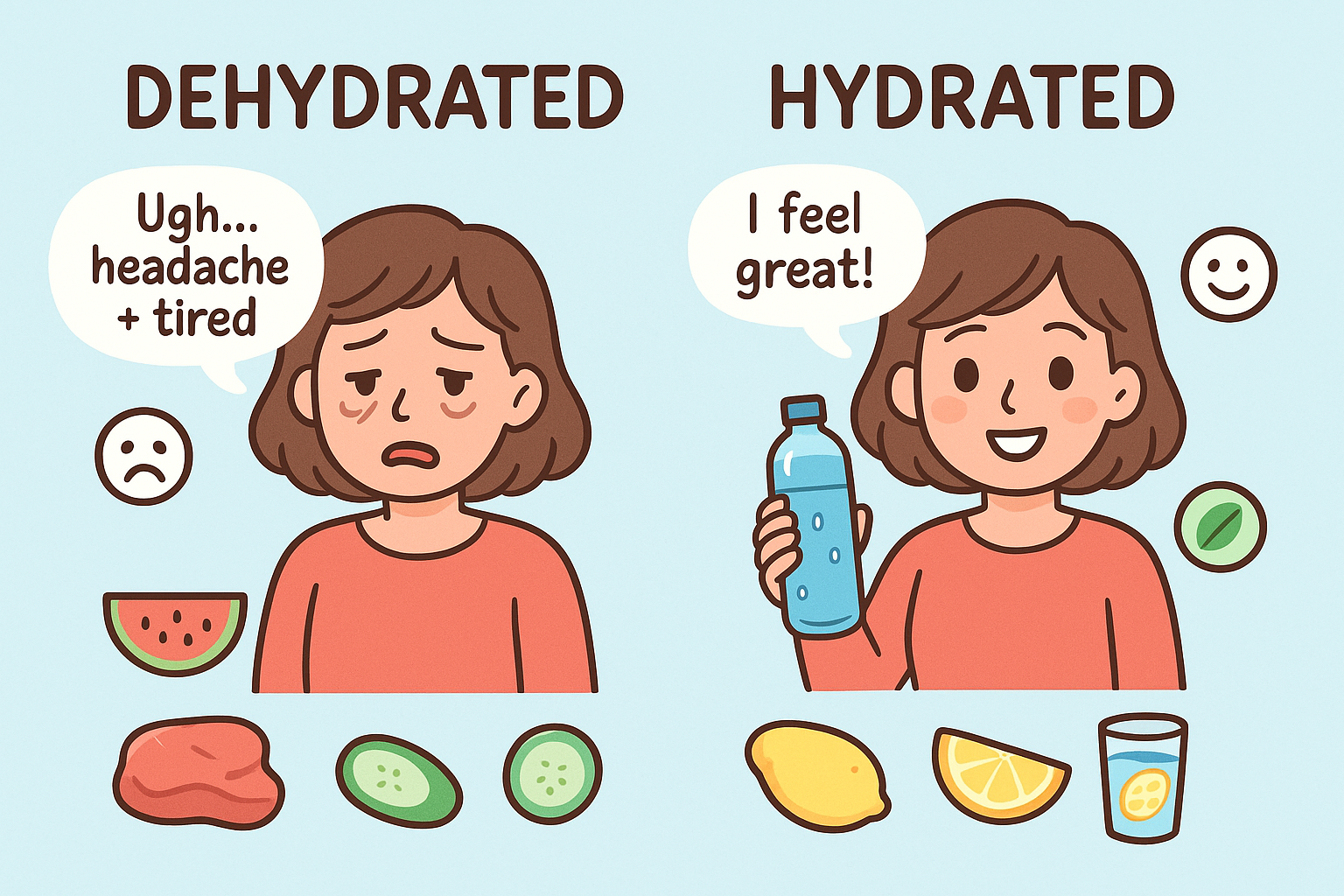
    Most people don’t drink enough water—and they don’t even realize it. Dehydration doesn’t just make you thirsty; it affects your energy, mood, and even your ability to think clearly. The worst part? You can be dehydrated without feeling “thirsty”—by the time that dry-mouth feeling hits, you’re already 1-2% dehydrated.​

    How does dehydration mess with your body? Let’s count the ways:​

    • Low Energy: Water carries oxygen to your cells. When you’re dehydrated, your blood thickens, so less oxygen reaches your muscles and brain—leaving you tired and sluggish.​
    • Brain Fog: Your brain is 73% water! Even mild dehydration (1-2%) can reduce focus, slow reaction times, and make it harder to remember things. One study found dehydrated students scored 10% lower on memory tests.​
    • Headaches: Dehydration causes blood vessels in your brain to shrink, which can trigger tension headaches (or make existing ones worse). If you get frequent morning headaches, try drinking a glass of water first thing—you might be surprised!​
    • Digestive Issues: Water softens stool and helps it move through your intestines. Dehydration is one of the top causes of constipation.​

    So how much water do you need? The “8 glasses a day” rule is a good start, but it’s not one-size-fits-all. A better guide:​

    • Drink 1.5-2L of water per day (about 8 cups).​
    • Drink more if you exercise (add 500-750ml for every hour of activity), if it’s hot outside, or if you’re pregnant/breastfeeding.​
    • Check your urine: If it’s pale yellow, you’re hydrated. If it’s dark yellow, drink more water!​

    Hate plain water? Try these easy hydration hacks:​

    • Add flavor: Drop a slice of lemon, lime, cucumber, or a few berries into your water. No sugar, just fresh taste!​
    • Eat hydrating foods: Watermelon (92% water), cucumber (96% water), oranges (87% water), and celery (95% water) all count toward your daily intake.​
    • Set reminders: Use your phone’s alarm or a water-tracking app to remind you to drink every hour. Keep a water bottle on your desk or in your bag—out of sight, out of mind!​
    • Swap sugary drinks: Instead of soda or sweetened iced tea, try sparkling water with a splash of fruit juice (100% juice, no added sugar).​

    💡 Pro Tip: Drink water first thing in the morning! You lose water while you sleep (via breathing and sweat), so a glass of water when you wake up rehydrates your body and kickstarts your day.

  • Mindful Eating: How to Stop Overeating and Enjoy Food More 🍴

    In a world of busy schedules and endless distractions (phones, TV, work emails), most of us eat on autopilot. We scarf down lunch at our desks, snack while scrolling TikTok, and finish a whole bag of chips without even realizing it. This is “mindless eating”—and it’s a major cause of overeating, weight gain, and even dissatisfaction with food.​

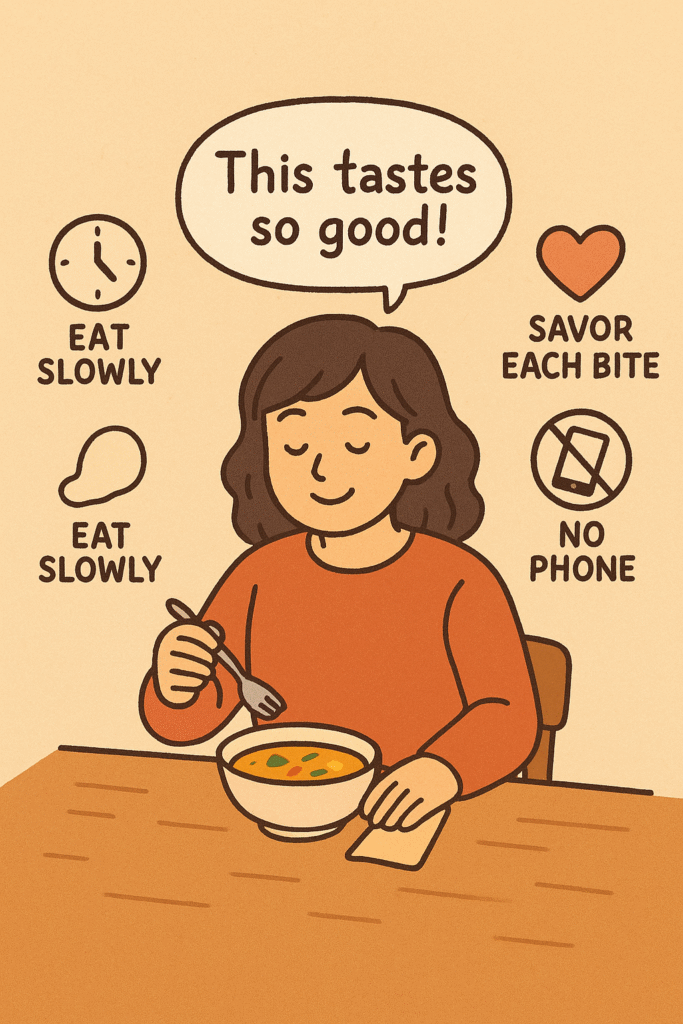
    Mindful eating is the opposite: it’s about paying attention to your food, your body’s hunger cues, and the pleasure of eating. It’s not a diet—it’s a way of eating that helps you build a healthier relationship with food.​

    Here’s how to practice mindful eating, step by step:​

    1. Eat Without Distractions: Turn off the TV, put away your phone, and step away from your computer. When you’re distracted, your brain doesn’t register when you’re full—you’ll eat more than you need.​
    1. Chew Slowly: It takes about 20 minutes for your brain to get the signal that your stomach is full. Chew each bite 10-15 times (yes, really!). This also helps you taste and enjoy your food more—you’ll notice flavors you missed before.​
    1. Listen to Your Hunger Cues: Eat when you’re “moderately hungry” (not ravenous) and stop when you’re “satisfied” (not stuffed). Ask yourself: “Am I eating because I’m hungry, or because I’m bored/stressed?”​
    1. Savor Each Bite: Notice the texture, smell, and taste of your food. Is it crunchy? Creamy? Sweet? Salty? Taking a moment to appreciate your food makes eating more enjoyable—and helps you feel more satisfied with less.​

    Mindful eating has big benefits:​

    • Prevents Overeating: By paying attention to fullness cues, you’ll eat fewer calories without feeling deprived.​
    • Reduces Stress Eating: Many people eat to cope with stress or boredom. Mindful eating helps you separate emotional hunger from physical hunger.​
    • Improves Digestion: Chewing slowly breaks down food better, making it easier for your body to digest. It also reduces bloating and indigestion.​

    Start small—you don’t have to practice mindful eating at every meal. Try it once a day (like dinner) and build from there. Here’s a simple exercise to get started:​

    • Take a small piece of food (like a strawberry or a square of dark chocolate).​
    • Look at it: Notice its color and shape.​
    • Smell it: Breathe in the aroma.​
    • Take a small bite: Chew slowly, focusing on the taste and texture.​
    • Swallow and notice how it feels in your mouth and stomach.​

    💡 Pro Tip: If you’re short on time, try the “2-minute rule”: For the first 2 minutes of your meal, eat slowly and without distractions. It’s a quick way to build the habit!

Translate »